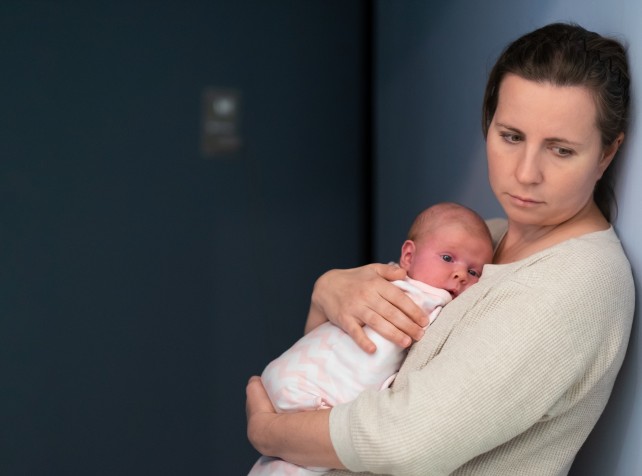
Midwifery is a profession built on advocacy, relational care, and respect for women’s autonomy. Midwives are trained to support families through pregnancy, birth, and the postnatal period in ways that prioritise dignity, informed choice, and trust. Yet many midwives experience moments where they are unable to provide the care they believe is right — not due to lack of skill or commitment, but because of system constraints. This experience is known as moral distress.
Moral distress occurs when a health professional recognises the ethically appropriate action to take but feels unable to act due to external barriers. In maternity care, these barriers often include institutional policies, rigid risk frameworks, staffing pressures, time constraints, and hierarchical decision-making. Unlike burnout, which is commonly associated with workload and exhaustion, moral distress is rooted in values. It reflects a conflict between professional judgement and what systems allow.
Subscribe for FREE to the HealthTimes magazine
In practice, moral distress is often subtle. It may present as a lingering sense of unease after a shift, frustration about a decision that felt unavoidable, or the feeling of having failed a woman despite following protocol. A midwife may know that a woman needs time, continuity, or emotional reassurance, yet feel pressured to prioritise efficiency, documentation, or throughput. When these experiences occur repeatedly, they can accumulate and take an emotional toll.
Common triggers for moral distress in midwifery include situations where women’s preferences are overridden by policy rather than clinical necessity, where midwives are unable to advocate effectively within multidisciplinary teams, or where staffing levels prevent continuous presence during labour. Midwives may also experience distress when required to participate in interventions they feel are unnecessary, or when they witness care that conflicts with their professional values.
Importantly, moral distress is not a sign of poor resilience. In fact, it often affects midwives who are deeply committed to ethical, woman-centred care. The discomfort arises precisely because they care about doing the right thing. When systems repeatedly prevent this, midwives may feel ethically compromised, conflicted, or powerless.
If left unaddressed, moral distress can have lasting consequences. Some midwives begin to emotionally withdraw as a form of self-protection, while others reduce their advocacy to avoid repeated frustration. Over time, unresolved moral distress can contribute to disengagement, loss of job satisfaction, and decisions to leave certain roles or the profession altogether. This represents a significant loss of experience and continuity within maternity services.
Despite its impact, moral distress is not always openly acknowledged. Healthcare cultures that prioritise compliance, efficiency, or stoicism may unintentionally discourage ethical reflection. Midwives may feel that naming their discomfort could be perceived as complaining or challenging authority. As a result, distress is often normalised or carried silently, rather than addressed at its source.
Addressing moral distress requires more than individual coping strategies. While reflection, peer support, and supervision are valuable, they are insufficient if systemic drivers remain unchanged. Organisational recognition is critical. When moral distress is understood as an occupational issue rather than a personal failing, it creates space for meaningful conversation and improvement.
Team environments that support open, non-punitive discussion are an important starting point. Structured debriefs or reflective forums allow midwives to process ethically challenging situations and reduce isolation. Equally important is leadership that listens, acknowledges complexity, and validates ethical concerns, even when solutions are not immediately available.
At an organisational level, involving midwives in policy development and review can help ensure that guidelines support professional judgement rather than constrain it. While risk management frameworks are essential, overly rigid application can undermine person-centred care and increase ethical tension. Systems that allow flexibility, continuity, and shared decision-making reduce many of the conditions that give rise to moral distress.
Ultimately, moral distress highlights a central challenge in contemporary maternity care: balancing safety and standardisation with relational, individualised support. Midwives navigate this tension daily. Recognising and addressing the ethical dimensions of their work is essential to sustaining both the profession and the quality of care provided to women and families.
https://youtu.be/bIKRi2i7SNg?si=vQRb_5hh154MFfJR
Watch: This short animated explainer describes moral distress in healthcare, outlining its causes, impacts, and ways teams can recognise and respond to it. While the concept gained visibility during COVID-19, it applies across clinical settings.