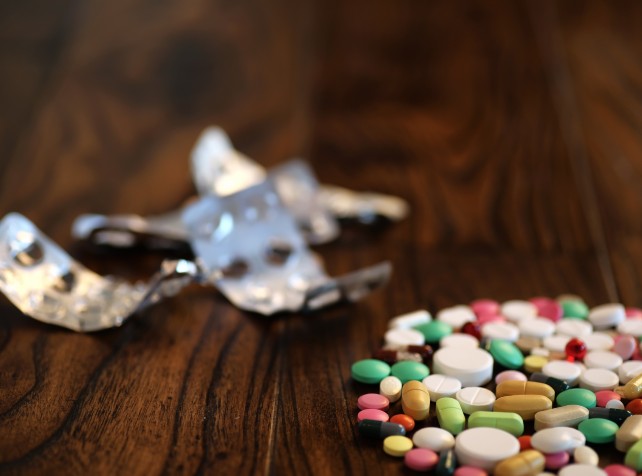
Patients with a serious addiction to methamphetamine who took a well-known antidepressant show a noticeable reduction in drug use, a study has found.
Results from the Tina Trial, published on Thursday and conducted by the National Drug and Alcohol Research Centre, give researchers hope treatment options for the crippling condition may be on the horizon.
Subscribe for FREE to the HealthTimes magazine
Addiction to methamphetamine, also known as ice in its crystal form, affects more than seven million people worldwide, the study's lead author says.
Professor Rebecca McKetin says the results of the trial, which gave 339 regular meth users mirtazapine for 12 weeks, represent a breakthrough in addiction treatment.
"It's hard to do research with these kind of drugs, so we've turned a corner here," Prof McKetin told AAP.
FEATURED JOBS
Integral Diagnostics (IDX)
There is currently no approved medication for methamphetamine use disorder.
Patients who took the antidepressant, sold as Avanza or Mirtanza in Australia, during the trial reduced their use of meth by seven days out of the past 28, a significantly greater reduction than the placebo group.
While the results represent only an eight per cent drop in use, Prof McKetin says the results are still a breakthrough.
"Where you've got absolutely nothing to start with, any reduction in methamphetamine use is terribly important," she said.
"When people reduce the number of days that they use methamphetamine, we start to see a reduction in the risk of adverse reactions to the drug."
Most treatments for meth addiction require strict supervision by a doctor while mirtazapine can be prescribed with limited intervention needed, improving the chances of people persisting with the medication.
Mirtazapine also acted as a sedative at mild doses, improving patients' sleep and other negative side effects of meth use, Prof McKetin said.
The findings are a step forward for treating a difficult condition, but Prof McKetin says more needs to be done at a policy level to produce even more useful research.
"If we could get this drug approved, that would be a great catalyst to getting people engaged in treatment," she said.
"Once we can do that, that's going to make it much easier for us to do our clinical trials ... to see which (drugs) work."