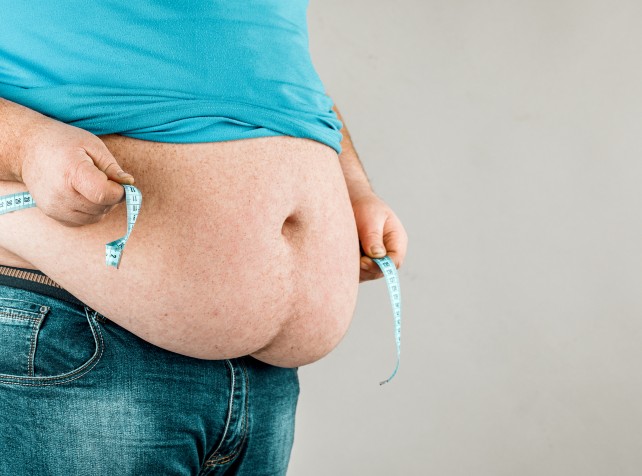
Australia is staring down a $90 billion-a-year obesity crisis by 2032 but spending below the OECD average on preventative health to tackle it.
Two-thirds of those costs will be felt in days off work, premature death and other productivity losses, a report commissioned by Novo Nordisk finds.
Subscribe for FREE to the HealthTimes magazine
Obesity is already costing the nation roughly $39 billion a year, equivalent to two per cent of GDP.
Produced by progressive McKell Institute and conservative Menzies Research Centre on behalf of the company behind weight-loss wonder drug Ozempic, the report calls for "all of the above" policy response.
That includes phased subsidies for GLP-1 drugs, which include Ozempic and Wegovy, initially targeted at high-risk groups and disadvantaged populations in the interests of keeping pressure off the public purse.
The drugs are already subsidised on the Pharmaceutical Benefits Scheme to treat type 2 diabetes but the federal health minister has been considering expanding accessibility so more Australians can access them at reduced cost.
The report recommends providing nutrition, exercise and behavioural support to those eligible for government-subsidised pharmaceuticals.
Preventative health spending should be boosted from two per cent to at least three-to-four per cent of the total health budget, in line with OECD averages.
Australia's move to mandatory health star ratings is also supported in the report.
Roughly 67 per cent of Australian adults are classified as overweight or obese, up from 56 per cent in 1995.
One-in-four children are overweight or obese and 80 per cent of those adolescents go on to be obese adults.
Obesity also disproportionately affects lower-income groups and people living in regional and remote areas, entrenching existing health inequalities.