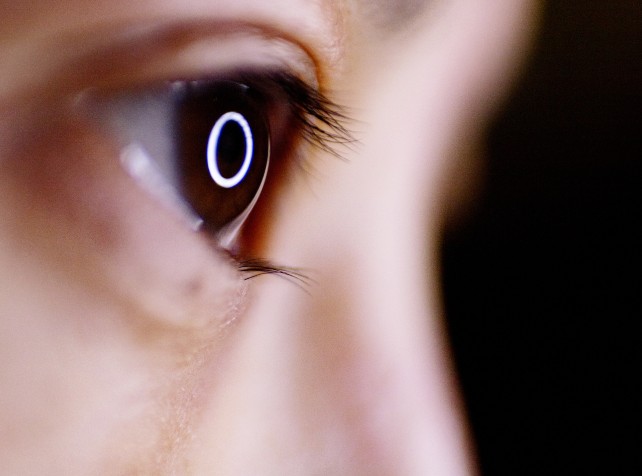
Eye health is easy to take for granted until something starts to change. The problem is that many eye diseases do not begin with dramatic symptoms. They often develop quietly, and by the time vision changes become obvious, some damage may already have happened. That is why early detection matters so much.
Good vision is not just about seeing clearly. It affects independence, safety, confidence, and day-to-day quality of life. Many people also assume that worsening vision is simply part of getting older, but a lot of eye conditions can be managed more effectively when they are picked up early.
Subscribe for FREE to the HealthTimes magazine
Understanding the Most Common Eye Diseases
Some of the most common eye conditions become more likely with age or certain health risks, but they do not all affect vision in the same way.
Cataracts happen when the eye’s natural lens becomes cloudy, which can make vision look blurred, dull, or hazy. Glaucoma damages the optic nerve and is especially concerning because the most common form often has no clear symptoms early on.
Macular degeneration affects the central part of the retina, which can make detailed tasks like reading or recognising faces harder. Diabetic retinopathy develops when diabetes damages the small blood vessels in the retina, and in its early stages, it may not cause noticeable symptoms at all.
What makes these conditions tricky is that they do not always announce themselves early. A person may assume they just need stronger glasses, are tired, or are dealing with normal age-related changes, when in reality something more serious is developing underneath.
Early Warning Signs of Eye Disease
One of the most common warning signs is blurred vision. That may sound broad, and it is, but it should not be brushed aside if it is new, persistent, or getting worse. Difficulty seeing at night is another sign people often ignore at first, especially when driving after dark starts to feel more stressful than it used to.
Floaters and flashes of light can also matter. Sometimes floaters are harmless, but a sudden increase in them, especially if paired with flashes or a shadow in your vision, needs prompt attention. Eye pain or pressure should never be dismissed, either. In some cases, it may point to glaucoma or another urgent eye problem. Redness, swelling, ongoing irritation, or changes in colour perception can also be signs that something is not right, particularly if they do not settle quickly or are getting worse over time.
The key point is not to self-diagnose from one symptom. It is to recognise when a change feels unusual, persistent, or out of character for your eyes.
The Importance of Regular Eye Exams
This is where regular eye exams become so important. A lot of people wait until vision feels obviously worse before booking an appointment, but that approach can miss problems that are already developing. Glaucoma is the classic example. It is often called the silent thief of sight because early damage can happen without noticeable symptoms. Diabetic retinopathy can also progress quietly before vision changes become obvious.
Routine
eye tests give an optometrist or eye-care professional a chance to detect changes earlier, sometimes before you would notice anything yourself. It is generally advised to have an eye test at least every two years, while Glaucoma Australia specifically recommends comprehensive eye exams every two years from age 50, or from age 40 for people with a family history of glaucoma or certain higher-risk backgrounds.
If you are over 40, have diabetes, high blood pressure, or a family history of eye disease, regular checks become even more important. Early treatment does not just help preserve vision. It can also reduce the risk of more serious loss later on.
Preventing Eye Disease: Key Lifestyle Tips
Not every eye disease can be prevented completely, but your daily habits do make a difference. A balanced diet that includes leafy greens, fish, colourful fruit and vegetables, and nutrients such as vitamins A, C, and E can support eye health. Protecting your eyes from UV exposure matters too, which is why quality sunglasses are worth taking seriously rather than treating as just a style item.
Smoking is another major factor. It is strongly linked with a higher risk of several eye problems, including macular degeneration. Exercise also helps because healthier blood pressure, circulation, and blood sugar control support the eyes as well as the rest of the body. For people with diabetes in particular, managing blood sugar consistently is one of the most important steps for protecting long-term vision.
Screen time is a different kind of eye issue. It does not usually cause diseases like glaucoma or cataracts directly, but it can leave your eyes dry, strained, and fatigued. Regular breaks, comfortable screen settings, and the right glasses or contact lenses can help make long periods of device use easier on the eyes. Good sleep helps too. Tired eyes tend to feel worse, focus less comfortably, and recover more slowly.
When to See an Eye Doctor
Some symptoms should not wait for your next routine check. Sudden vision loss, intense eye pain, a sudden shower of floaters, repeated flashes of light, or an eye injury all need prompt medical attention. Those are not the kinds of symptoms to monitor casually for a few days.
Even when things are less dramatic, there are still times when it is wise to book an appointment sooner rather than later. If your vision seems blurrier than usual, night driving has become noticeably harder, colours seem duller, or your eyes are regularly red, irritated, or uncomfortable, it is worth getting checked. A lot of eye problems are easier to manage when they are picked up early instead of after months of delay.
Treatment Options for Early Eye Diseases
Treatment depends on the condition. Sometimes the first step is straightforward vision correction. Glasses and contact lenses can improve comfort and clarity when refractive errors such as short-sightedness, long-sightedness, or astigmatism are part of the problem. For some people, contact lenses also feel more convenient for day-to-day wear, especially when properly fitted and used safely.
For eye disease itself, treatment can involve much more than prescription lenses. Cataracts are usually treated with surgery when vision becomes significantly affected. Glaucoma may be managed with medicated eye drops, laser treatment, or surgery depending on the type and severity. Macular degeneration and diabetic retinopathy may involve injections, laser treatment, or other specialist care aimed at slowing damage and preserving as much vision as possible.
The important thing is not to panic if something is found early. Early diagnosis usually gives you more options, not fewer.
To Sum Up
Vision loss is not something to treat as inevitable. Many serious eye conditions begin quietly, which is exactly why paying attention to changes and keeping up with regular eye exams matters so much. Blurred vision, trouble seeing at night, flashes, floaters, pain, or sudden changes in how you see should never be brushed off as nothing.
The goal is simple: catch problems early, respond quickly, and give your eyes the best chance of staying healthy for longer. Small habits help, but regular professional checks are still one of the strongest tools you have.