




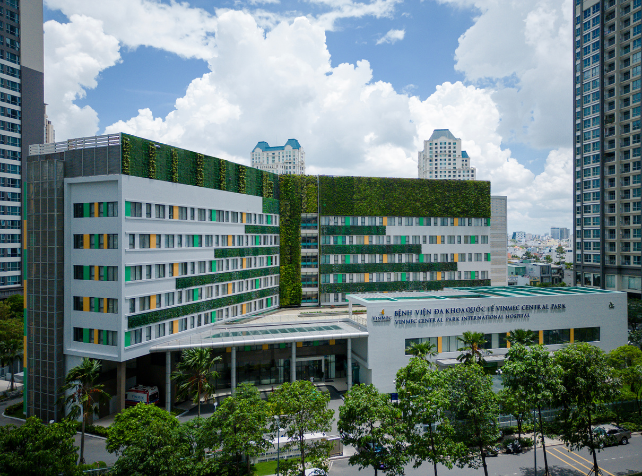
Just an eight-hour flight from Australia, a quiet transformation is taking shape.
Healing rarely happens all at once. It is a gradual process, marked by small improvements, setbacks, and the search for care that truly supports recovery.
That search can often be slowed by limited access to regenerative therapies, lengthy approval pathways, or the burden of significant out-of-pocket costs.
Yet, just eight hours away by air, a new option is quietly reshaping that journey.In recent years, regenerative medicine has added a new layer to the recovery journey. And for a growing number of Australians, Vietnam is becoming part of that path, not only for its medical capability, but for the way care, recovery, and environment are thoughtfully brought together.
The appeal is straightforward: treatment in a JCI-accredited hospital, followed by recovery in surroundings designed for rest and healing.
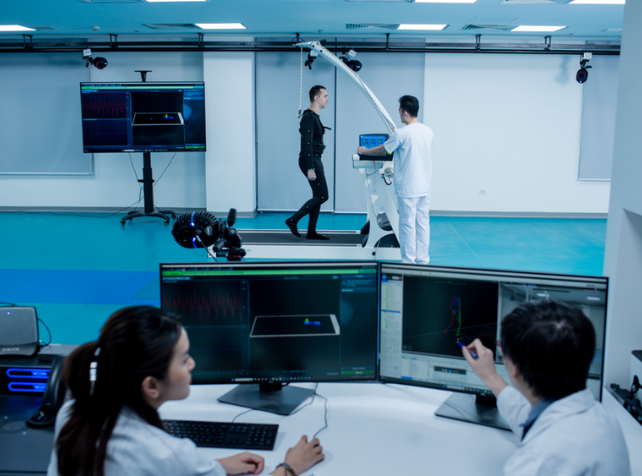
Vinmec adheres to internationally recognized standards for safety and care.
That expectation of internationally accredited care is where Vinmec comes in. With accredited hospitals and a partnership with Cleveland Clinic, Vinmec operates under globally recognised standards of safety and care.
“Driven by our commitment to building an academic healthcare system with international reach, Vinmec has continuously invested in advanced facilities and medical technology. said Prof. Dr. Tran Trung Dung, CEO of Vinmec Healthcare System.
For patients from Auckland or Sydney, that level of assurance often makes the difference.
"The world of medicine has not recognized the traditional methods of treating BDP in preterm infants," explained Professor Nguyen Thanh Liem, the lead surgeon and a pioneer in regenerative medicine. "Meanwhile, stem cell transplants can be effective because of the ability to block and reduce lung fibrosis... Thanks to this, the patient can breathe without needing to rely on machinery."
With standard therapies exhausted, doctors at Vinmec turned to an approach rarely attempted at this scale: the world’s first bone marrow mononuclear cell transplant for a case of this severity. Four weeks later, the ventilator was switched off, as the infant no longer needed it.
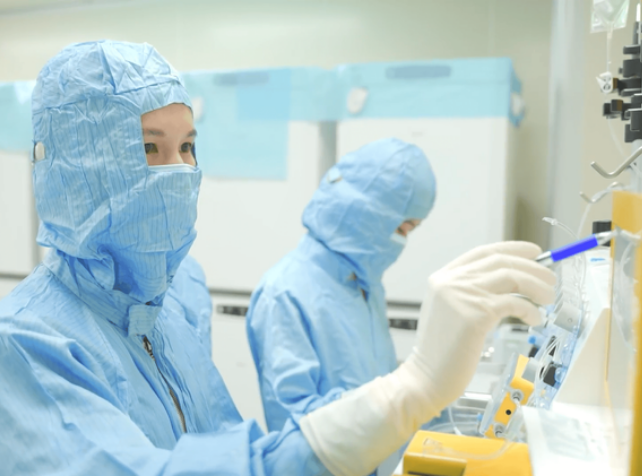
Vinmec, supported by stem cell infrastructure, is elevating healthcare capabilities.
Beyond the outcome itself, the case illustrates how far Vietnam’s healthcare capabilities have progressed. Supported by internationally aligned standards, including Vinmec’s connection with Cleveland Clinic and accredited stem cell infrastructure, the country is increasingly being viewed not only as a place to travel, but as a destination for advanced, science-led medical care.
At Vinmec, the pace is markedly different, evidenced by Antonio Tosatto, an Australian patient who traveled to Vinmec for a complex hip replacement. Recovering quickly, he was discharged after just five days, and returned to normal daily activities soon after.
This efficiency is driven by advanced technology, notably 3D-printed and patient-specific implants that allow for minimally invasive procedures and faster rehabilitation. As Prof.Dung explained, Vinmec’s approach focuses on translating modern technology into practical clinical outcomes, guided by a commitment to treat patients with expertise, ethics, and empathy.

Vinmec offers Australian patients a seamless medical journey.
Outside the operating room, value is measured in more than cost alone. While stem cell therapies in Vietnam are often 40–70% more cost-effective, Vinmec pairs treatment with a seamless journey, supporting Australian patients through multilingual services, travel arrangements, and recovery in calm, resort-style environments.
This system has effectively removed the uncertainty of medical travel. By combining internationally aligned standards with Vietnam’s accessibility and cost efficiency, Vinmec offers an alternative to waiting. For Australians, the choice is clear: timely care, structured recovery, and the opportunity to regain quality of life sooner rather than later.
Healing rarely happens all at once. It is a gradual process, marked by small improvements, setbacks, and the search for care that truly supports recovery.
Subscribe for FREE to the HealthTimes magazine
That search can often be slowed by limited access to regenerative therapies, lengthy approval pathways, or the burden of significant out-of-pocket costs.
Yet, just eight hours away by air, a new option is quietly reshaping that journey.In recent years, regenerative medicine has added a new layer to the recovery journey. And for a growing number of Australians, Vietnam is becoming part of that path, not only for its medical capability, but for the way care, recovery, and environment are thoughtfully brought together.
A Familiar Journey, A Different Kind of Care
Once associated mainly with travel and leisure, Vietnam is increasingly recognised by Australians as a place where healthcare and recovery intersect. As medical tourism becomes a lifestyle choice rather than a last resort, patients are drawn to destinations that offer more than treatment alone - places where access, environment, and time work in their favour.FEATURED JOBS
Registered Nurses for Private Hospitals in Newcastle
Nursing Australia
Registered Nurse
GenesisCare
Support Workers - Bendigo | Work with Quadraplegic Clients
Ontime Health Agency Pty Ltd
Medical Registrar
Omega Medical Pty Ltd
The appeal is straightforward: treatment in a JCI-accredited hospital, followed by recovery in surroundings designed for rest and healing.
Vinmec adheres to internationally recognized standards for safety and care.
That expectation of internationally accredited care is where Vinmec comes in. With accredited hospitals and a partnership with Cleveland Clinic, Vinmec operates under globally recognised standards of safety and care.
“Driven by our commitment to building an academic healthcare system with international reach, Vinmec has continuously invested in advanced facilities and medical technology. said Prof. Dr. Tran Trung Dung, CEO of Vinmec Healthcare System.
For patients from Auckland or Sydney, that level of assurance often makes the difference.
The Architecture of Trust
In the neonatal intensive care unit at Vinmec Times City International Hospital, a premature infant weighing just 1.5 kilograms became the centre of a medical breakthrough. Born at 30 weeks and diagnosed with bronchopulmonary dysplasia, a severe chronic lung condition, the child was unable to breathe independently despite weeks of conventional treatment."The world of medicine has not recognized the traditional methods of treating BDP in preterm infants," explained Professor Nguyen Thanh Liem, the lead surgeon and a pioneer in regenerative medicine. "Meanwhile, stem cell transplants can be effective because of the ability to block and reduce lung fibrosis... Thanks to this, the patient can breathe without needing to rely on machinery."
With standard therapies exhausted, doctors at Vinmec turned to an approach rarely attempted at this scale: the world’s first bone marrow mononuclear cell transplant for a case of this severity. Four weeks later, the ventilator was switched off, as the infant no longer needed it.
Vinmec, supported by stem cell infrastructure, is elevating healthcare capabilities.
Beyond the outcome itself, the case illustrates how far Vietnam’s healthcare capabilities have progressed. Supported by internationally aligned standards, including Vinmec’s connection with Cleveland Clinic and accredited stem cell infrastructure, the country is increasingly being viewed not only as a place to travel, but as a destination for advanced, science-led medical care.
Choosing Care Without the Wait
The reality of modern healthcare is defined by waiting. Procedures labelled “elective” can still mean living with pain for months, sometimes years, before treatment begins.At Vinmec, the pace is markedly different, evidenced by Antonio Tosatto, an Australian patient who traveled to Vinmec for a complex hip replacement. Recovering quickly, he was discharged after just five days, and returned to normal daily activities soon after.
This efficiency is driven by advanced technology, notably 3D-printed and patient-specific implants that allow for minimally invasive procedures and faster rehabilitation. As Prof.Dung explained, Vinmec’s approach focuses on translating modern technology into practical clinical outcomes, guided by a commitment to treat patients with expertise, ethics, and empathy.
Vinmec offers Australian patients a seamless medical journey.
Outside the operating room, value is measured in more than cost alone. While stem cell therapies in Vietnam are often 40–70% more cost-effective, Vinmec pairs treatment with a seamless journey, supporting Australian patients through multilingual services, travel arrangements, and recovery in calm, resort-style environments.
This system has effectively removed the uncertainty of medical travel. By combining internationally aligned standards with Vietnam’s accessibility and cost efficiency, Vinmec offers an alternative to waiting. For Australians, the choice is clear: timely care, structured recovery, and the opportunity to regain quality of life sooner rather than later.
Related Articles
Comments
Thanks, you've subscribed!
Share this free subscription offer with your friends


