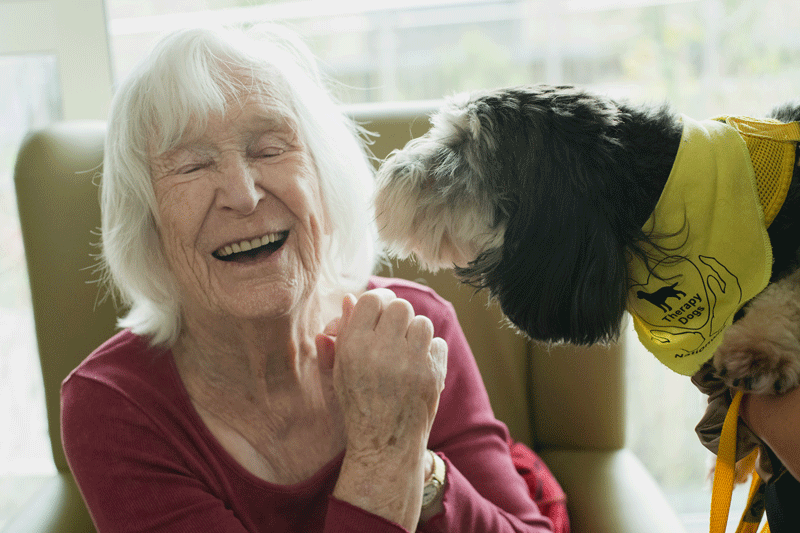
Dementia is one inevitable health challenge that comes with an ageing population. As it progresses, it brings agitation, loneliness, reduced communication and behavioural changes. While medications can sometimes help manage symptoms, many care providers are now looking into new approaches that improve quality of life. One such approach is pet therapy, also known as animal-assisted therapy. This involves structured interactions between residents and trained animals, typically guided by a handler or therapist. This can provide emotional comfort, encourage social engagement and stimulate memories. We take a look at the best practices for implementing pet therapy programs in Australian aged care settings, along with the outcomes already observed in residents with advanced dementia.
Pet therapy, often referred to as animal-assisted therapy (AAT) or animal-assisted interventions, involves supervised interaction between people and trained animals with the aim of improving physical, emotional or cognitive wellbeing.
Subscribe for FREE to the HealthTimes magazine
In dementia care, these programs are usually delivered in:
-
Residential aged care facilities
-
Memory support units
-
Palliative care settings
-
Day therapy programs
Animals used in therapy programs may include:
-
Dogs
-
Cats
-
Birds
-
Rabbits
-
Fish or aquarium displays
-
Occasionally robotic or simulated pets
Evidence suggests that pet therapy can improve mood, engagement and interaction among people living with dementia, while also reducing depression and reliance on pain medication. Here’s what they provide:
-
Emotional Connection: Even when language skills decline, emotional recognition often remains intact. Animals provide immediate sensory feedback through touch, eye contact and movement. For residents who previously owned pets, these interactions may trigger long-term memories and positive emotions.
-
Reduced Stress and Anxiety: Human-animal interaction has been linked with physiological changes including: reduced stress hormones, lower blood pressure and increased relaxation. These effects can help reduce behavioural and psychological symptoms of dementia such as agitation or aggression. Research suggests that the presence of dogs in particular can reduce agitation and encourage social behaviours among residents with dementia.
-
Encouraging Social Engagement: Animals often act as social catalysts in residential care environments. Residents who rarely speak may begin talking about their own past pets, memories from childhood and observations about the animal. This creates natural opportunities for communication with staff and other residents.
In Australia, interest in animal-assisted therapy has grown significantly within aged care research and practice.
A
review of studies involving older adults with dementia found several positive outcomes that have come with with dog-assisted therapy, including:
-
Increased social behaviour
-
Reduced agitation
-
Improved emotional responses during sessions.
-
Other research has noted animal-assisted interventions may help reduce behavioural and psychological symptoms of dementia, including aggression and restlessness.
The
Aged Care Research and Industry Innovation Australia (ARIIA) knowledge hub summarises evidence from several reviews, reporting that pet therapy can lead to:
-
Improved mood
-
Greater engagement and interaction
-
Reduced depression
-
Less use of pain medication in some cases.
However, researchers also note that evidence is still evolving.
Some studies report mixed results for outcomes such as:
-
Overall quality of life
-
Anxiety levels
-
Long-term behavioural changes.
Successful pet therapy programs rely on forward planning and effective implementation:
1. Use Trained Therapy Animals
Animals involved in therapy programs must be carefully trained and assessed for temperament. Therapy animals should be:
-
Calm and predictable
-
Comfortable around older adults
-
Able to tolerate unexpected movements or noises
Handlers should also be trained in dementia-aware communication and safety procedures.
2. Match the Animal to the Resident
Not every resident will respond positively to animal interaction. Best practice includes assessing:
-
Previous experiences with pets
-
Cultural attitudes toward animals
-
Fear or allergies
-
Physical mobility
3. Create Structured Sessions
Although interactions may appear spontaneous, effective pet therapy programs typically follow a structured format. Sessions may include:
-
Petting or brushing the animal
-
Short walks with assistance
-
Feeding or simple care tasks
-
Watching or observing the animal
-
Group storytelling or reminiscence
4. Prioritise Infection Control and Safety
In residential aged care settings, infection control is important. Programs should include:
-
Hand hygiene before and after interactions
-
Regular veterinary checks for therapy animals
-
Grooming and cleanliness protocols
-
Clear procedures for managing scratches or bites
5. Support Staff Engagement
The success of a therapy program often depends on staff involvement. Care teams can support pet therapy by:
-
Encouraging residents to participate
-
Observing behavioural changes during sessions
-
Integrating animal visits into care plans
Staff may also benefit personally from interacting with therapy animals, which can help improve workplace morale.
For residents living with advanced dementia, meaningful interaction can become difficult as the condition progresses. Pet therapy offers a simple way to reconnect residents with emotional experiences, sensory stimulation and social engagement. Australian research suggests that structured animal-assisted therapy programs can improve mood, encourage communication and reduce behavioural distress among people with dementia. When delivered using correctly, with trained animals, structured sessions and careful risk management, pet therapy can become a valuable part of person-centred dementia care.